

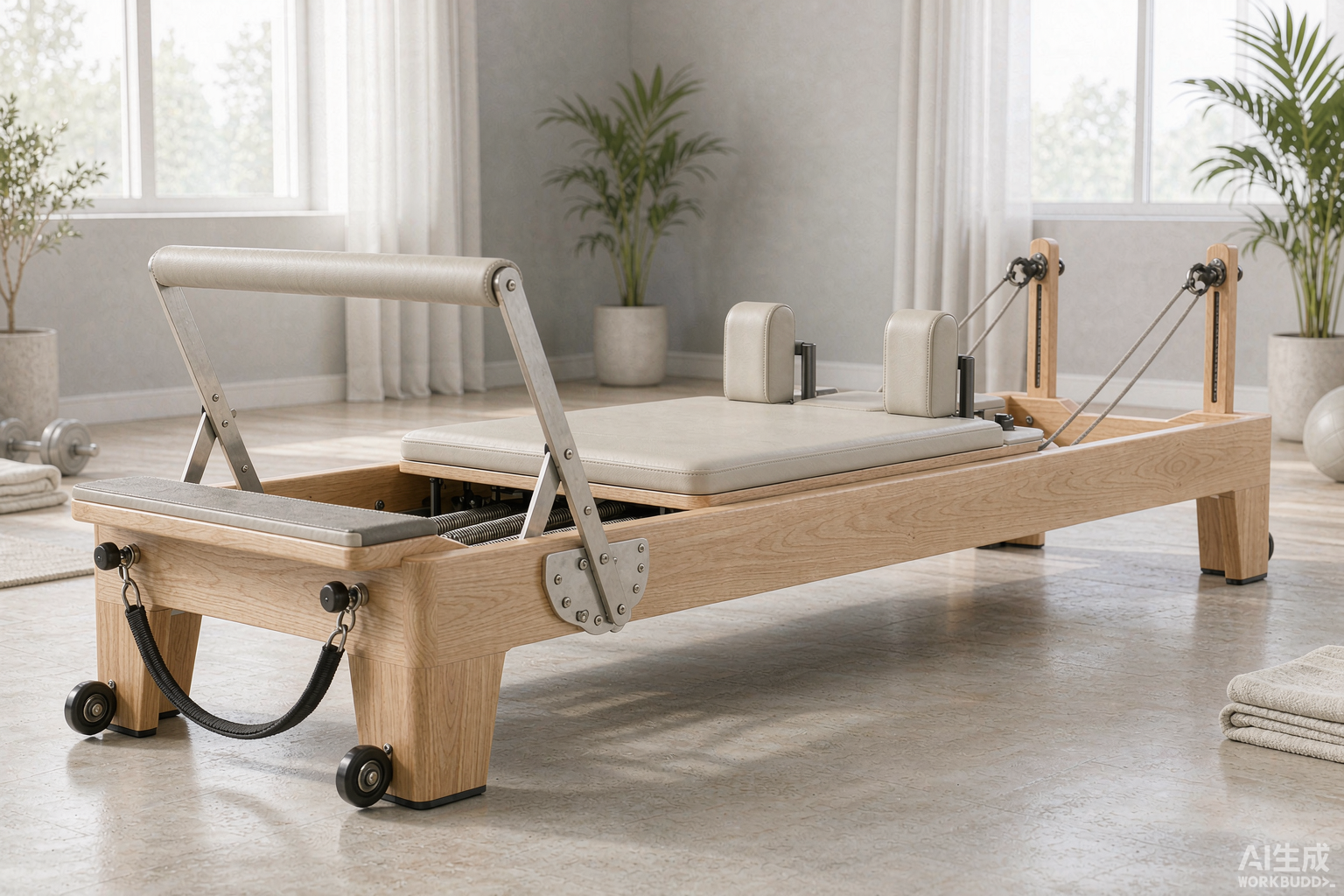
Investing in a Pilates reformer is one of the best decisions you can make for your strength, flexibility, and overall well-being. But with dozens of brands, price points, and configurations on the market, choosing the right machine can feel overwhelming. Whether you are outfitting a professional studio or setting up a home practice space, this guide breaks down everything that actually matters when comparing reformers.
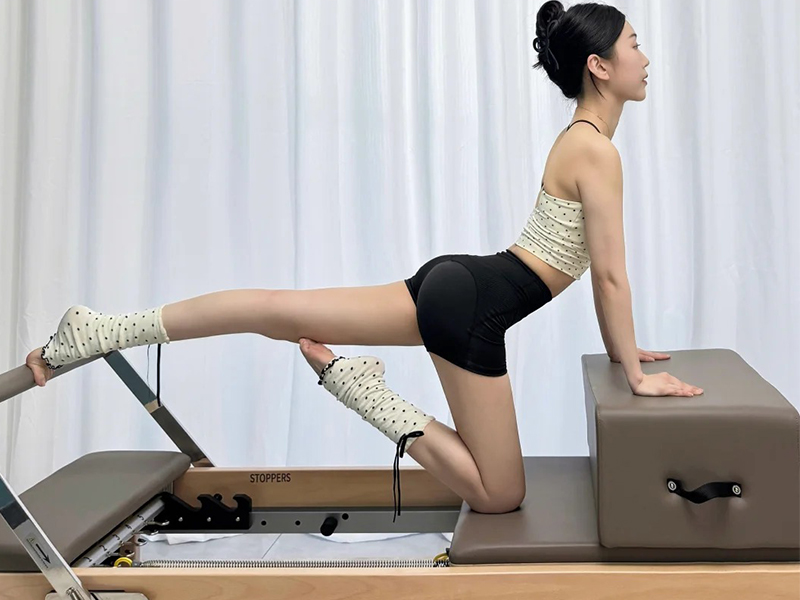
1. Frame Construction: The Foundation of Every Great Reformer
The frame determines how stable, durable, and smooth your reformer will feel for years to come. You will generally choose between two materials:
Wood frames (typically maple or oak) offer a classic, elegant look and naturally absorb vibration, delivering a quiet, refined ride. Premium wooden reformers are the traditional choice for boutique studios.
Aluminum frames are lighter, extremely rigid, and resistant to humidity and warping, making them ideal for humid climates or busy studios where equipment is moved frequently.
Whichever material you prefer, check the joinery and hardware: look for solid construction, metal-to-metal connections at stress points, and a weight capacity of at least 250–350 lbs (113–159 kg).
2. The Carriage: Where Comfort Meets Performance
The carriage is the moving platform your body rests on, and its quality defines the feel of every exercise. Pay attention to three things:
Gliding system: Quality reformers use precision wheels or bearings on smooth rails. The carriage should glide silently with zero lateral wobble. A shaky carriage ruins both the experience and your alignment.
Padding and upholstery: Look for high-density foam with durable, easy-clean vinyl or leather upholstery. Double-stitched seams are a must for daily commercial use.
Shoulder rests: They should be securely mounted, comfortable, and quick to remove if you need a flat platform.
3. Springs and Resistance: Understand the Numbers
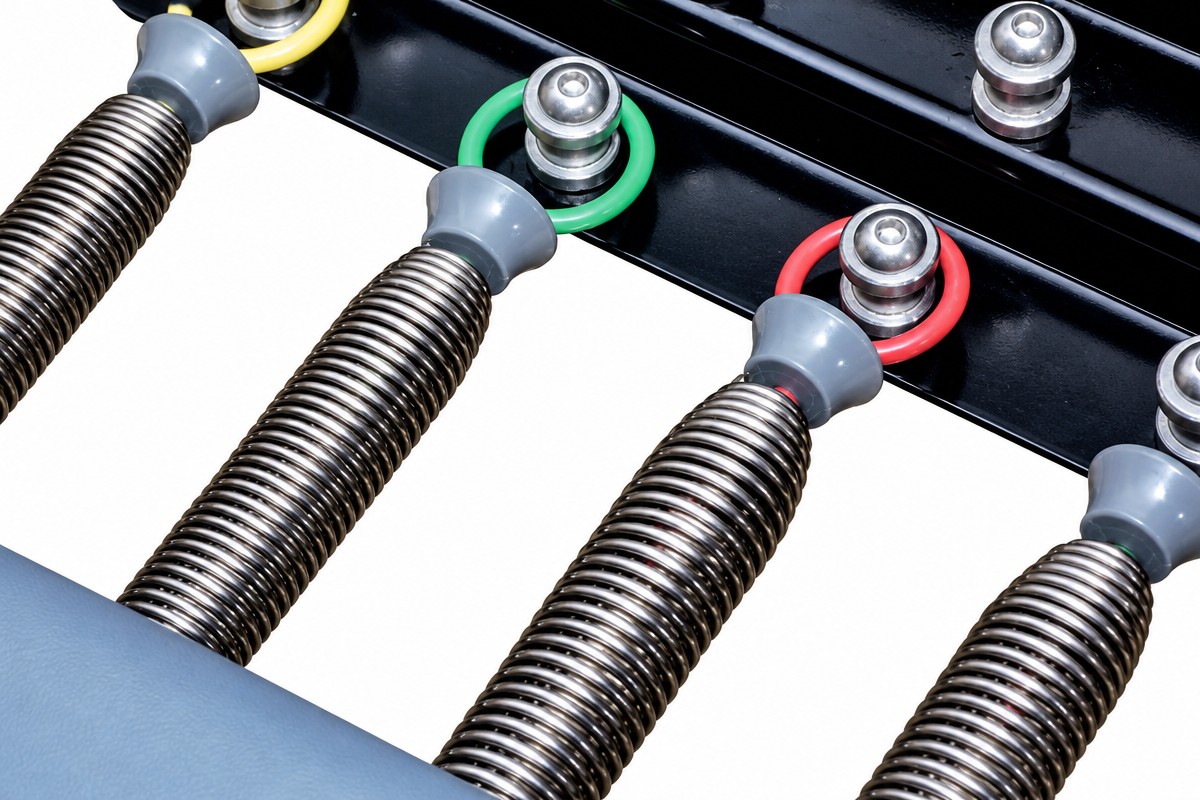
Most reformers come with 4–5 springs in a mix of tensions, giving you a wide resistance range. Two important checks:
Spring quality: Springs should be made from high-tensile steel and rated for tens of thousands of compression cycles. Ask the manufacturer about cycle testing.
Attachment style: Look for a secure, easy-to-use spring attachment system. You will be changing springs hundreds of times, so this small detail matters enormously.
Remember: in Pilates, lighter resistance often means harder work for your core. A wide range from very light to heavy gives you the most exercise options.
4. Footbar and Gearbar Adjustability
The footbar should adjust smoothly to multiple positions to accommodate users of different heights and different exercises. Combined with an adjustable gearbar (which changes the spring anchor point), you get fine control over resistance and range of motion. Test the adjustment mechanisms if you can: they should lock firmly with no play and operate with one hand.
5. Ropes, Straps, and Pulleys
The rope and pulley system translates spring resistance to your hands and feet. Premium reformers use quiet, smooth-running pulleys with adjustable-length ropes or straps, plus comfortable grips and adjustable loops for hands and feet. Check that the system allows quick length changes between users.
6. Size and Footprint: Studio vs. Home Use
Standard reformers run about 80–90 inches (200–230 cm) in length. Before buying, measure your space and remember you need clearance on all sides for mounting, dismounting, and exercises performed beside the machine. If space is tight, consider a stackable or foldable reformer, or a model with removable legs for under-bed storage.
7. Budget: What You Get at Each Price Point
Entry-level ($500–$1,500): Suitable for light home use. Expect lighter frames, fewer adjustments, and less durable components.
Mid-range ($1,500–$3,500): The sweet spot for serious home practitioners. Solid frames, smooth carriages, and commercial-grade springs.
Professional ($3,500+): Built for daily studio use with the best materials, warranties, and refinements. If you teach clients, this is the tier to buy.
A cheap reformer that breaks in two years costs more than a quality one that lasts a decade.
8. Extras Worth Considering
Tower or Cadillac conversion: A half-trap/tower attachment transforms your reformer into a full Cadillac-style station, dramatically expanding your exercise library.
Jump board: Adds cardio and plyometric training.
Extended platform and box: Essential for seated and standing work.
Warranty and parts availability: A confident manufacturer stands behind their machine with a multi-year frame warranty and readily available replacement parts.
Final Checklist Before You Buy
Confirm the frame material and weight capacity suit your needs.
Test (or research) the carriage glide and noise level.
Check spring quality, count, and resistance range.
Verify footbar and gearbar adjustability.
Measure your space, including clearance around the machine.
Compare warranties and after-sales support.
Ready to Find Your Perfect Reformer?
The best reformer is the one that matches your space, your goals, and your budget, while being built well enough to support your practice for years. Explore our full range of professionally engineered reformers, towers, Cadillac beds, and chairs, or contact our team for personalized advice on outfitting your studio.